
x战警
日本事件引发水产板块行情,可持续吗?_我的网站

一 | 本篇评级为★★★,主要围绕以下内容展开: 1、日本事件引发水产板块行情,谨慎操作的抓手或许还是在消费; 2、谷歌迭代大模型,哪些板块受益? 如有疑问请以音频内容为准,添加妙投小虎哥微信:miaotou515,入群有机会与董小姐进一步交流。 新闻解读评级说明:五星重磅,四星重要,三星级以下大家选择听。 1、日本事件引发水产板块行情,谨慎操作的抓手或许还是在消费 今天三大指数基本收平,市场缺少兴奋点,唯一的话题来自“日本冲突事件”:中方宣布暂停进口日本水产品,A股渔业、水产养殖板块瞬间拔地而起,多股拉至涨停。
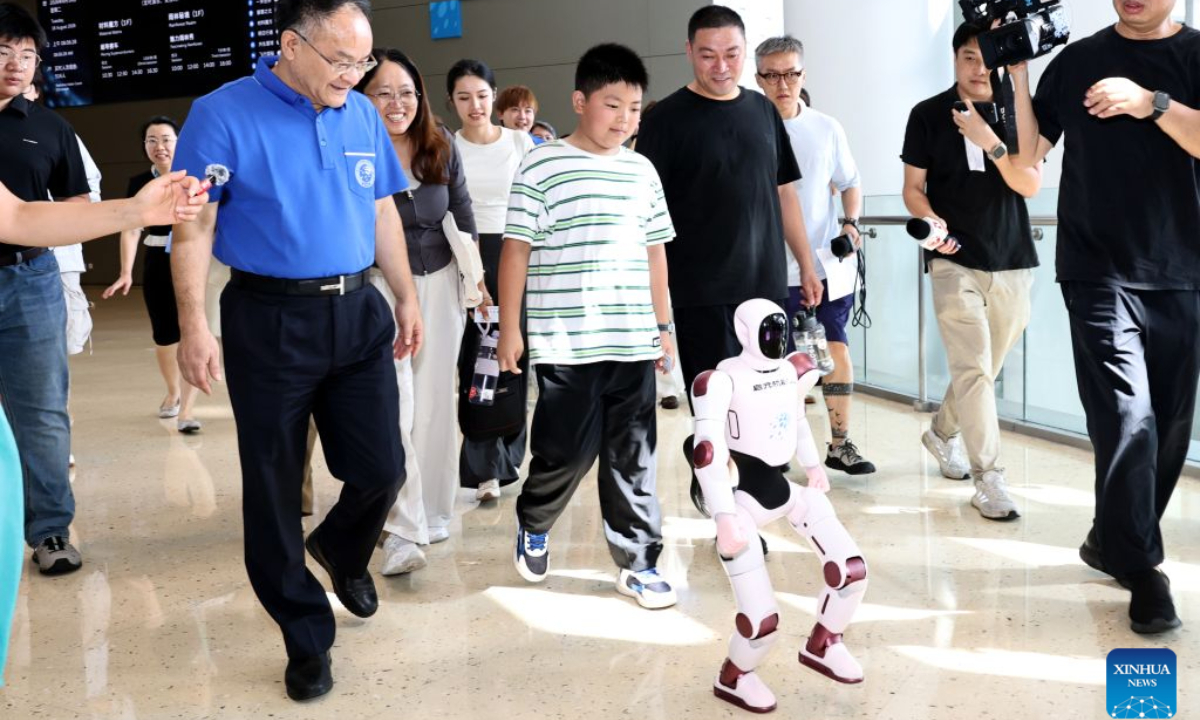
Zhang Zhiheng, a boy from east China's Shandong Province, was the landmark visitor. He visited the museum with his parents on the second day of his first trip to Shanghai.
Since opening its doors to the public in late 2001, the museum has grown into one of China's most popular science and education destinations. Through a wide range of science and technology activities and programs, it remains dedicated to boosting public scientific literacy and sparking curiosity in visitors of all ages.
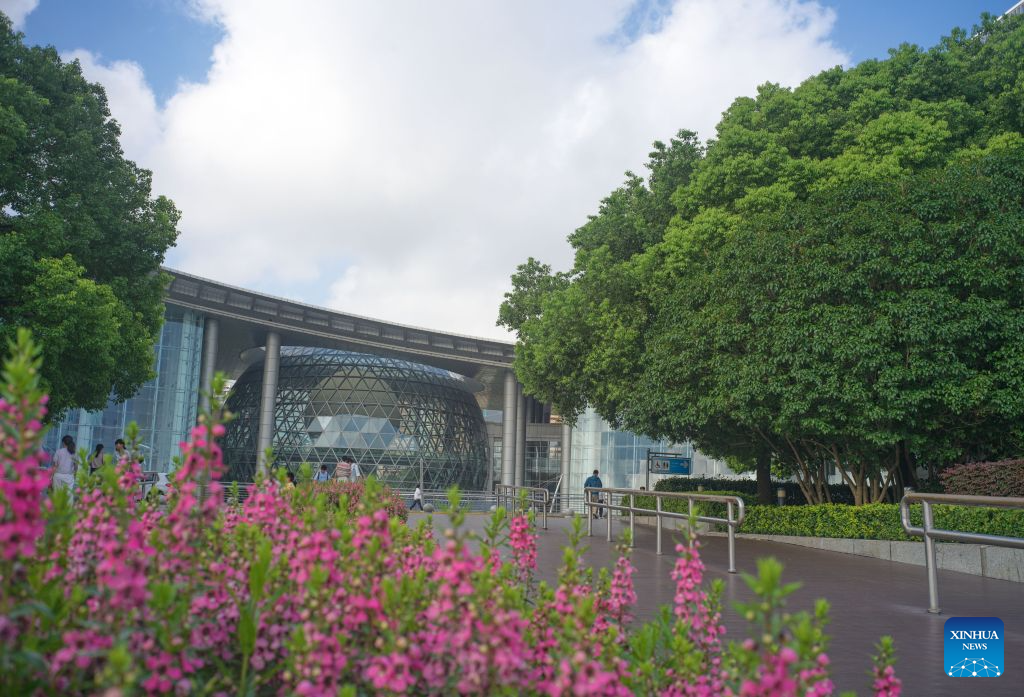
After being closed for over two years for upgrading, the museum reopened early this year. It now also includes two branches: the Shanghai Natural History Museum and the Shanghai Astronomy Museum.
Back in 2001, the proportion of Chinese citizens with scientific literacy was only 1.4 percent, and the figure had risen to 16.74 percent by 2025, according to official data.
As public interest in science has grown, visits to science and technology museums have increasingly become part of everyday life.
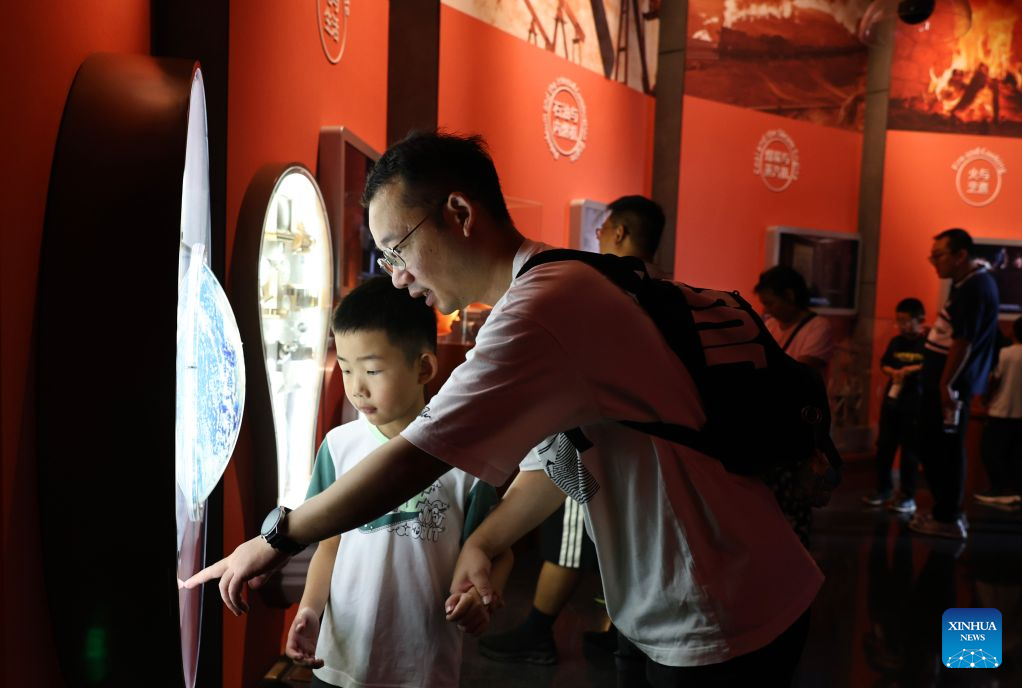
For many families, museums have become a popular destination during holidays and weekends, offering children opportunities to expand their knowledge and broaden their horizons.
"The biggest change I feel during my museum visits is that science and technology keep advancing," said Zheng Qina, a post‑90s visitor from Shanghai. She was nine years old when she visited the museum in 2001. Today, her five‑year‑old son is also a regular visitor.
The trend is also extending to international travelers. With China's inbound tourism gaining momentum following eased visa policies, science museums have emerged as an increasingly popular destination for overseas visitors seeking a closer look at the country's technological development.
From January to July this year, the Shanghai Science and Technology Museum and its two branches received nearly 200,000 foreign visitors, accounting for nearly 5 percent of the total visitor numbers.
Francisco and his parents, a family from Italy, were among the visitors on Tuesday. After touring an exhibition on green energy, Francisco said he was deeply impressed by displays showcasing China's nuclear and hydrogen energy technologies.
In recent years, China has made major advances in fields ranging from artificial intelligence and humanoid robots to quantum science, green energy, space technology, life sciences and physical sciences. Science and technology museums offer visitors an opportunity to explore some of these developments through exhibitions and interactive experiences.
For Ni Minjing, director of the Shanghai Science and Technology Museum, a notable change among visitors is that they have shifted from passive recipients of knowledge to more active explorers of science.
"Teenagers in particular now have abundant channels to acquire knowledge. The role of science and technology museums can no longer be merely about resolving doubts," Ni said. "Instead, through diverse forms of science popularization, museums should inspire visitors, especially young people, to think and create."
"We will continue to innovate the way we popularize science, enrich science-related content, promote the spirit of scientists and foster a culture of innovation, so as to spark young people's curiosity, imagination and desire to explore," Ni added.
。类似戏码历史上演过多次——中日关系一紧张,水产就被制裁,A股便出现“快闪”行情。但持续性永远要打问号:日本对华水产品出口量占中国总消费比重极低,实质替代效应有限,更多只是资金借题短炒,属于“艺高人胆大”或“火中取栗”行情。

二 | 中日短期缓和概率仍在降低。昨日日方代表来华商谈,双方连握手都未成行,中方随即亮出“水产牌”。此举精准打击对方且几无自伤,资本市场立刻发酵。游资追逐之下,普通投资者宜保持警惕。下一步值得想象:中国会否把制裁扩大到日本水果及其他农产品?资本向来喜欢“抢跑”,水果、畜牧、水产等日常消费细分已纳入视野。 消费大类本就处于“预热期”: 第一,政策有期待——明年或将出台“居民消费率”量化指标; 第二,节日加持——春节旺季只剩一两个月; 第三,价格信号触底——10月CPI分项回暖,日常服务价格抬头,趴地板已久的消费股财报有望修复。 本文为妙投付费内容,上述仅为摘要,购买本专栏即可解锁完整内容。新用户可免费领本专栏7天阅读体验机会,在妙投APP-我的-权益兑换 输入“妙投888”即可领取。
Current article:http://9thob.liangkuataosanxuanmiancen.sbs/news/20260826_786.html
Published on:14:18:49